Skip to content
Michigan weather can change on a dime. One minute, you’re enjoying a quiet summer afternoon. The next, hail is pelting your roof and wind is screeching through the trees. By the time the skies clear, branches are scattered across the yard, and your patio furniture has relocated itself to the other side of the deck.
Some storm damage is obvious. It’s hard to miss a tree stretching across your front lawn. But roofing damage is often harder to spot, especially at a distance from the ground. Hail can bruise shingles without leaving visible marks. Strong winds can loosen roofing materials without ripping them away entirely. Water can work its way beneath the roof long before a stain actually shows up on your ceiling.
The hard-to-see damage is one reason roofing problems often go unnoticed until weeks or months after a storm. In many cases, a roof can look perfectly normal from the driveway and still need repairs.
What Types of Storms Can Cause Roof Damage in Michigan?
The Great Lakes State gets its fair share of storms. Hailstorms, strong winds, heavy rain, winter storms — you name it, Michigan has probably seen it. Some of these storms sweep through without causing much trouble. Others aren’t as kind, instead leaving behind all sorts of damage in their wake. In the last five years alone, the state has averaged roughly 4.4 storms per year that have caused more than a billion dollars in damage.
The most common kinds of storms that damage Michigan roofs include:
Hail Storms
Hail is one of the most common causes of roofing damage in Michigan. In the 12-month period between June 2025 and June 2026 alone, HailTrace recorded at least 69 hail events across the state. Depending on its size and wind speed, hail can knock granules loose, bruise asphalt shingles, crack roofing materials, and damage flashing, vents, and other metal components.
Wind Storms
Michigan thunderstorms can produce wind gusts strong enough to lift, crease, or tear roofing materials. Even when those materials don’t tear away completely, high winds can break the adhesive seal that keeps them in place. Once that seal is gone, the roof becomes more vulnerable to damage during future weather events.
Heavy Rain
Torrential rain doesn’t usually damage a healthy roof by itself, but it can quickly expose weaknesses. If your roof has been hiding missing shingles, damaged flashing, or other roofing defects, water may work its way beneath the roofing system during prolonged or heavy rain.
Snow and Ice
Michigan gets more than 100 inches of snow each year on average, with some parts getting more than 200 inches every year. That kind of accumulation puts extra weight on your roof, which can stress the roofing system. When that snow melts, it can refreeze into ice, creating ice dams that prevent additional snow accumulation from draining properly. This can cause the trapped water to back up beneath the roofing system and enter your home.
Why Storm Damage Is Often Hard to See
Not all storm damage is as obvious as a sagging section of roof or a shattered window, courtesy of a wayward tree branch. It’s often tough to spot storm damage on a roof because:
Damage Isn’t Always Visible From the Ground
Most homeowners are looking for damage from the ground, not from a ladder. Unfortunately, many forms of storm damage aren’t easy to see from ground level. Bruising from hail impacts, lifted shingles, and damaged flashing can be hard to see without getting a closer look. That doesn’t mean you should climb on your roof to look — this is something best left to the pros.
Leaks Can Take Time to Develop
Storm damage doesn’t always lead to an immediate leak. Sometimes, it takes weeks or even months for water to work its way through roofing materials, underlayment, and decking before appearing inside the home. By that point, the damage may be more extensive than it was immediately after the storm.
Damage Might Look Different Than You’d Expect
After a big ol’ storm rolls through, you might expect to see pretty noticeable damage. But that’s not always the case. Strong winds might lift shingles from the roof, but they may settle back down and look unharmed. Hail might cause bruising and granule loss that looks perfectly normal without training and experience. Because of that, it’s always a good idea to have a professional roof inspection after a big storm.

Common Signs of Storm Damage on a Michigan Roof
As you’d probably guess, different types of storms can create different types of damage to your roof. The most common types we see include:
Missing or Lifted Shingles
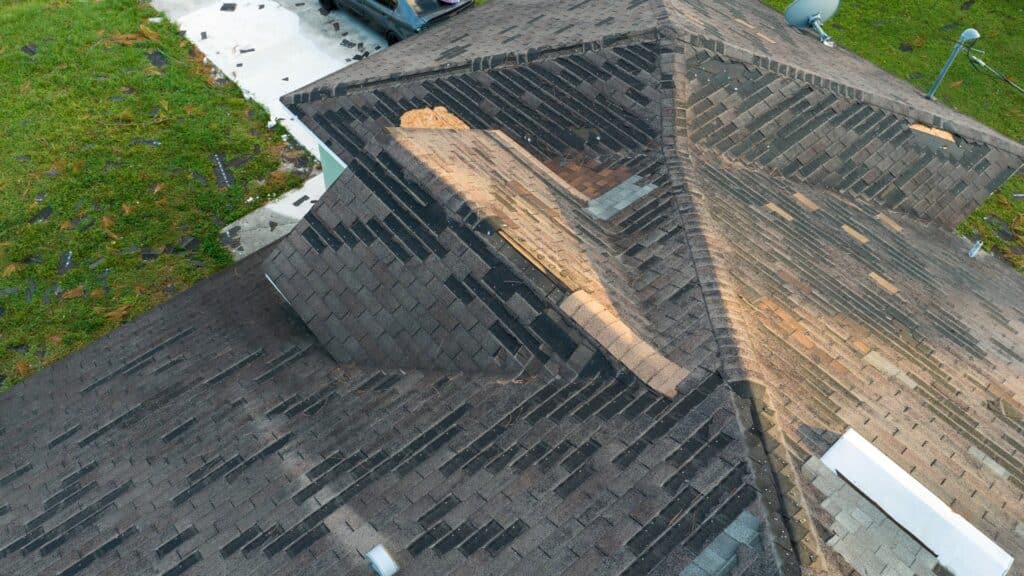
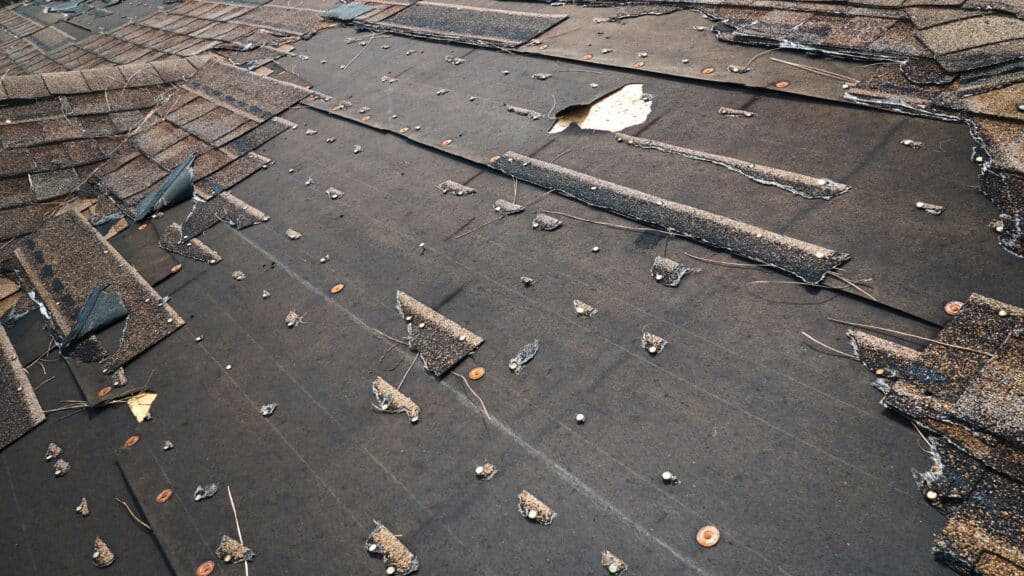
Missing shingles are one of the easiest types of storm damage to identify. Strong winds can lift shingles from the roof entirely or leave them creased, torn, or partially detached. Any exposed areas need to be addressed right away, as they leave the roof more vulnerable to water intrusion.
Cracked or Bruised Shingles
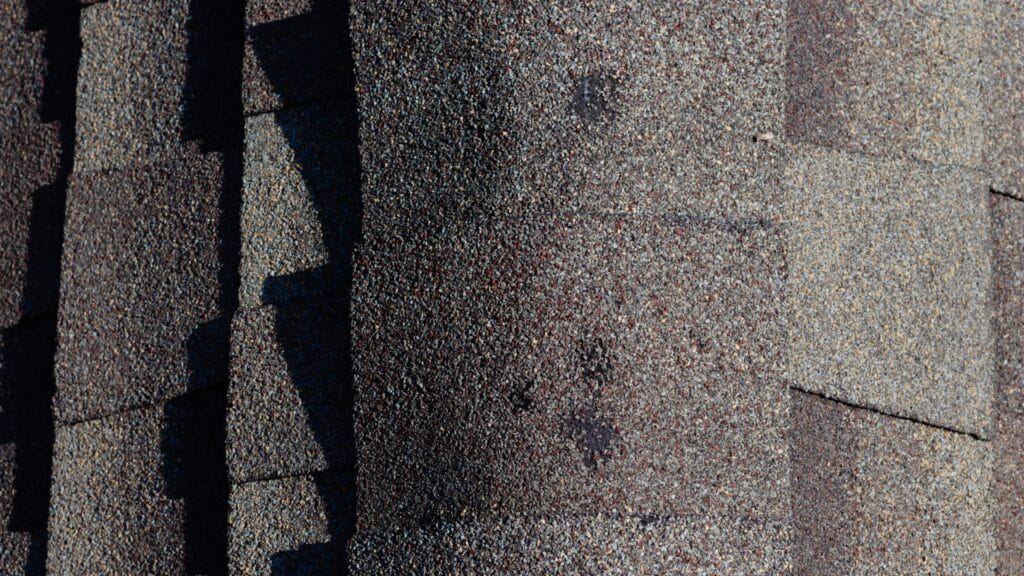
Asphalt shingles can develop cracks, dents, or bruises after a hailstorm. A bruised shingle might look just like the surrounding shingles, but the material becomes spongy and weak, which can shorten its lifespan. Usually, this type of damage is tough to identify from the ground.
Dented or Split Wood Shakes
Wood shake roofs can be especially vulnerable to hail and flying debris. If the impact is hard enough, it can crack, dent, split, or fracture the shakes. That can allow moisture to penetrate the wood, eventually allowing water to work its way down through your roofing system.
Granules in Gutters
The granules on asphalt shingles help protect the roof from UV exposure and weathering. After a hailstorm, you might notice an unusual amount of granules collecting in gutters or near downspout exits. While some granule loss is normal as the roof ages, excessive amounts after a storm may point to hail damage.
Dented Metal Roofs, Gutters, or Downspouts
Metal surfaces often take a hit during storms, especially hailstorms. Hail can leave visible dents in metal roofing panels, gutters, downspouts, flashing, and roof vents. Some of these dents are cosmetic and nothing to worry about, but others may affect the performance of the roofing system.
Interior Water Stains
If you find water stains inside your home, it’s a good sign your roof took some damage and can’t do its job of keeping water out anymore. We often see these stains on walls, ceilings, and in the attic, often weeks or months after the storm that caused the damage happened. These stains should never be ignored, as even small leaks can lead to bigger problems over time.
Sagging Areas
Your roof should generally appear straight and uniform. If it loses that uniformity and becomes sunken, sagging, or uneven, it’s possible that there’s underlying structural damage or moisture-related deterioration. This isn’t always caused by a recent storm, but severe weather can worsen existing problems and make them more noticeable.
Should You Inspect Your Roof After Every Major Storm?
Not all storms warrant an immediate call to our roofing contractors. A passing rain shower or a blustery afternoon isn’t usually anything to write home about. Severe weather is a different story.
After hailstorms, high winds, falling tree limbs, or other significant weather events, it’s a good idea to take a closer look around your property. Catching storm damage right after it happens can prevent small roofing issues from turning into bigger and more expensive repairs.
You don’t need to climb onto the roof to look for storm damage. In fact, it’s best to keep your feet firmly planted on the ground.
Here’s what you can look for from the ground:
- Missing shingles on the ground
- Pieces of flashing or roofing material in the yard
- Dented gutters, downspouts, or metal roof components
- Fallen tree limbs resting on the roof
- Granules collecting near downspout exits
- Water stains on ceilings or in the attic
If you see these signs, it doesn’t automatically mean there’s severe damage, but it does mean it’s time to book an inspection.
What To Do Immediately After Storm Damage
Once the storm moves on, most homeowners want to know the same thing: Is there any damage, and if so, what can I do about it? Here’s what you can do to help protect your home and avoid making a stressful situation even more complicated:
- Take Photos Before Cleaning Up
If there’s visible damage, grab your phone before you grab a rake. Photograph anything that looks out of place, including damaged shingles, dented gutters, fallen branches, siding damage, and water stains inside the house.
Even if you never file an insurance claim, it’s helpful to have a record of the home’s condition immediately after the storm.
- Don’t Ignore Small Leaks
A dime-sized water stain today can be a massive stain stretching across the ceiling and down the walls a few months from now. If you see a water stain in your attic or on your walls or ceilings, call for a professional roofing inspection.
- Be Careful With Temporary Repairs
Many homeowners want to jump right into repair mode after a storm. That’s understandable, but some repair tasks should be left to the experts. Climbing onto a wet or potentially damaged roof is one of those pro-level tasks. If you need emergency protection — as might be the case if you have a major roof leak — it’s best to have a pro climb up there to take care of it.
- Schedule a Roof Inspection If You’re Concerned
Not every storm requires a professional inspection. If you got good sized hail, high winds, or something doesn’t look right, give us a call. We can take a closer look and uncover any damage that might not be visible from the ground.
- Keep Track of Storm-Related Expenses
If the storm causes significant damage, save photos, estimates, invoices, and receipts. Having everything in one place can make life much easier if repairs or an insurance claim become part of the conversation.

Roof Insurance Claims in Michigan: Everything You Need to Know
When a storm leaves all sorts of roof damage in its wake, the questions we get from homeowners are often the same. Is the damage covered? Will insurance pay for a repair or a full replacement? What role does a roofing contractor play in the process?
The answer depends on your policy and the specifics of your roof.
What Homeowners’ Insurance Typically Covers
Many homeowners’ insurance policies cover sudden storm-related damage caused by events such as hail, wind, and falling trees or branches. If a covered weather event damages your roof, your policy may help pay for repairs or replacement, subject to the terms it identifies and your deductible.
Coverage can vary significantly from one policy to another, which is why it’s important to review your policy documents and chat with your insurance company if you have questions about your specific coverage.
What Insurance May Not Cover
Insurance is designed to protect against sudden, accidental damage. It’s usually not intended to cover problems caused by normal wear and tear, aging materials, neglected maintenance, or pre-existing roof issues.
For example, if a storm exposes a roofing problem that’s deemed pre-existing, the insurance company might determine that some or all of the damage isn’t covered.
Actual Cash Value vs. Replacement Cost
One of the most important details in a homeowners’ policy is whether the roof is covered on an actual cash value (ACV) basis or a replacement cost value (RCV) basis.
Actual cash value policies typically factor depreciation into the claim payment. Replacement cost policies generally provide coverage based on the cost to replace the damaged materials, subject to the policy’s terms and conditions.
How a Schoenherr Roofing Can Help During the Claims Process
Schoenherr’s roofing contractors don’t approve or deny insurance claims, but they can be helpful in the process.
After a storm, one of our roofing professionals can inspect the roof, identify storm-related damage, document their findings, and explain potential repair or replacement options. If a claim is filed, that documentation can help you better understand the condition of the roof and communicate more effectively with your insurance company.
We can also help answer questions about repair costs, materials, and the scope of work recommended after a storm.
How Much Does Storm Damage Roof Repair Cost in Michigan?
The amount you’ll pay for your roof repairs after a storm depends on the extent of the damage. On average, storm damage roof repairs cost between $2,641 and $22,127. That comes out to an average cost of $12,331.
| Repair Type or Material | Typical Cost Range |
| Storm and hail roof repair average | $2,600 to $22,000+ |
| Average storm damage roofing project | About $12,300 |
The number can also vary a bit based on the specific material your roof is made of. Typical repair costs by materials are usually:
| Repair Type by Material | Typical Cost Range |
| Asphalt shingles | $4 to $15 per square foot |
| Slate roofing | $5 to $30 per square foot |
| Wood roofing | $4.50 to $9 per square foot |
| Metal roofing | $4.50 to $7 per square foot |
In addition to material, several other factors can affect the cost, including:
- The extent of the damage
- Hidden water intrusion
- Structural repairs
- Emergency services (tarping, debris removal, etc.)
- Roof accessibility
When Is Roof Repair Enough, and When Is Replacement Necessary?
Sometimes, repairs aren’t enough to fix storm damage to a roof. In these cases, a new roof is often the most practical solution.
Situations That Often Qualify for Repair
Repairs are a good option when storm damage is limited and the roof is otherwise in good condition. Examples include:
- A small number of missing shingles
- Isolated hail damage
- Minor flashing damage
- A localized roof leak
- Damage confined to a single section of the roof
- A newer roof with significant remaining service life
Situations That Often Necessitate Replacement
Replacement is usually the better choice when the damage is widespread or the roof was already close to the end of its lifespan. These situations include:
- Extensive hail damage across large sections of the roof
- Widespread wind damage
- Multiple active leaks
- Significant structural damage
- Storm damage affecting several roofing components at once
- Repair costs that approach the cost of replacement

The Age of the Roof Matters
The age of the roof plays a big role in the repair-versus-replacement decision.
A section of damaged shingles on a roof that’s five years old are worth fixing. The same damage on a 25-year-old roof may be a different conversation altogether.
Older roofs are generally more susceptible to future problems, and matching existing materials can become tougher over time. If you’re not sure whether repair or replacement is the better option, a professional inspection is the best place to start.
How Schoenherr Roofing Helps Michigan Homeowners after Storms
Most homeowners aren’t climbing on their roofs after every storm, and they shouldn’t have to. When severe weather moves through Southeast Michigan, our job is to help you determine whether your roof is damaged, explain what we find, and recommend the most appropriate path forward.
We Help You Understand What Happened
Our storm damage inspections are designed to identify roofing issues caused by hail, wind, falling debris, and other severe weather events. If we find damage, we’ll explain what we’re seeing, answer your questions, and help you understand your options.
We Repair Storm-Damaged Roofs
In many cases, repairs are enough to restore the roof and prevent additional problems. Our roof repair services can help get your roof back on track, whether that means swapping out a few shingles or finding the source of a water leak.
We Replace Roofs When Repairs No Longer Make Sense
If the damage is too extensive for repairs to be practical, we’ll walk you through your replacement options and explain the pros and cons of each approach. We won’t push you toward a replacement if you don’t need one. We only recommend a roof replacement when it makes the most sense for the condition of the roof and your long-term goals.
We Help You Through the Insurance Process
Insurance claims can be confusing, especially if it’s your first time dealing with storm damage. While coverage decisions are ultimately made by your insurance company, we can document storm-related damage, provide inspection findings, and answer questions about the roofing work being recommended.
We Offer Emergency Storm Damage Services
Sometimes, storm damage can’t wait for the next business day. If you’re dealing with emergent situations, like an active leak, we can implement temporary protection measures and create a plan for permanent repairs.
Storm Damaged Roofs: Frequently Asked Questions
Storm damage often raises a lot of questions, especially when the signs aren’t immediately obvious. Here are answers to some of the most common questions we get about roof storm damage in Michigan.
How soon should I have my roof inspected after a storm?
If you think your roof was damaged by a recent storm, it’s generally best to schedule an inspection as soon as possible. Prompt inspections can help identify damage before it leads to leaks or other problems. They’re also helpful for documenting storm-related damage if an insurance claim becomes necessary.
Will insurance cover hail damage to my roof?
Usually, yes — insurance often covers hail damage to a roof. However, coverage can vary by policy and the extent of the damage. Insurance companies typically evaluate whether the damage was caused by a covered event and may send an adjuster to inspect the property before approving a claim.
Can a roof have hail damage without leaking?
Yep. Hail damage doesn’t always result in an immediate leak. Hail can bruise shingles, dislodge protective granules, crack roofing materials, and damage flashing without allowing water into the home right away. Sometimes, the effects don’t become apparent until months later.
What does wind damage look like on asphalt shingles?
Wind damage usually appears in the form of missing shingles, lifted or creased shingles, torn shingle tabs, and exposed roofing materials. That kind of damage can be hard to see from the ground, so it usually takes a professional inspection to uncover the full extent.
How long do I have to file a storm damage claim in Michigan?
The time you have to file a storm damage claim in Michigan can vary by insurance company and policy, but it’s usually six months to a year. Check your policy for the specific window for filing a claim.
Should I call a roofer or my insurance company first?
Many homeowners choose to have a roofing contractor inspect the roof before contacting their insurance company. This way, they can find out for sure whether storm damage is present and provide documentation that can be useful during the claims process.
Can I inspect my roof myself after a storm?
We don’t recommend it. Most roof damage caused by a storm requires you to get up close to see the full extent, and climbing onto a wet or potentially damaged roof is dangerous. Because of that, we recommend calling for a professional roofing inspection.
Concerned About Storm Damage? Let’s Schoenherr Roofing Help

Not every roof needs replacing after a storm. Some don’t even need repairs. The challenge is figuring out which situation you’re dealing with.
That’s where our team at Schoenherr Roofing comes in. We’ve been helping homeowners across MIchigan assess and fix storm-damaged roofs for over 30 years. Whether you’re in Romeo, Grand Rapids, Rochester, or Sterling Heights, we’re here to help. Call (616) 275-3050 today to schedule a roof inspection.
Sources & References
- Angi – “How Much Does Hail Damage Roof Repair Cost?”
Provides national hail damage repair cost estimates, including typical price ranges, inspection costs, and factors that influence the cost of repairing storm-damaged roofs.
https://www.angi.com/articles/how-much-repair-roof-hail-damage-cost.htm - HomeAdvisor – “How Much Does It Cost to Repair Storm or Wind Damage?”
Provides national cost data for storm and wind damage repairs, including average project costs, roofing repair estimates, and factors that affect overall repair expenses.
https://www.homeadvisor.com/cost/disaster-recovery/repair-storm-or-wind-damage - HailTrace – Michigan Hail Maps and Storm Data
Tracks hail activity throughout Michigan and provides historical hail event data, storm maps, and reporting tools used to monitor severe weather activity across the state.
https://hailtrace.com/hail-maps/state/michigan - Michigan Department of Insurance and Financial Services (DIFS) – “Tornadoes and Severe Storms”
Offers guidance for Michigan homeowners on preparing for severe weather, documenting damage, understanding insurance claims, and navigating the recovery process after storms.
https://www.michigan.gov/difs/consumers/disaster-prep/tornado-severe-storms - National Association of Insurance Commissioners (NAIC) – “What’s the Difference Between Actual Cash Value Coverage and Replacement Cost Coverage?”
Explains the differences between actual cash value and replacement cost insurance coverage, including how depreciation affects claim payouts and coverage amounts.
https://content.naic.org/article/whats-difference-between-actual-cash-value-coverage-and-replacement-cost-coverage - National Centers for Environmental Information (NCEI) – Michigan Billion-Dollar Disaster Summary
Provides historical data on billion-dollar weather and climate disasters affecting Michigan, including severe storms, flooding events, winter storms, droughts, and other significant weather-related losses.
https://www.ncei.noaa.gov/access/billions/state-summary/MI - National Weather Service – Average Snowfall Across Northern Michigan
Provides snowfall statistics and winter weather data for Michigan, including regional snowfall averages and information about the state’s winter weather patterns.
https://www.weather.gov/apx/snow