Skip to content

While some roofing issues are significant enough that complete roof replacement is necessary, other problems can be addressed with simple repairs. This is welcome news for many homeowners, who simply want to have their roof restored as quickly, easily, and affordably as possible.
But the interesting thing is that most roof problems fall into a relatively small number of categories. We’ll outline a few of the most common types of roof repairs that are required, share some of the things that typically lead to these problems, and provide a few tips for keeping your roof in good condition below.
Signs Your Roof May Need Repairs
Before moving on to the most common roof repairs homeowners in Southeast and Southwest Michigan need, it’s important that we share some of the most common signs of roof issues. This will help you spot the signs of trouble quickly, so you can have the repairs carried out before the problem progresses and turns into something requiring a full roof replacement.
- Leaks: Leaks are one of the most obvious signs indicating that there is a problem with your roofing system. Leaks require immediate attention, as the water may cause extensive damage to your roof, attic, and walls.
- Water Stains on Ceilings and Walls: In some cases, you may have a leak without seeing water actively dripping into the living space of your home. So, it’s always a good idea to check your ceilings and walls for water stains.
- Missing Shingles: Shingles can be completely blown off of a roof in inclement weather, including strong winds, or hail. Once the shingles have detached, your roof decking and underlayment can become damaged.
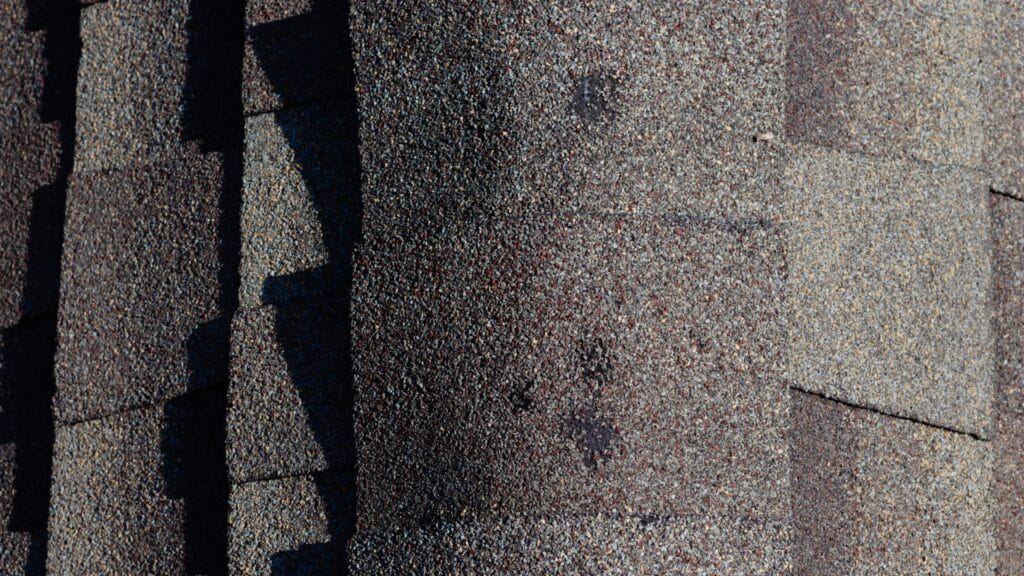
- Damaged Shingles: Strong winds and impacts can also damage your shingles, without causing them to detach completely. This is why you’ll want to look for signs like curling or cracking — especially following storms.
- Granule Loss: The granules on your shingles help to reflect the sun’s rays and provide additional durability. In addition to visually inspecting your shingles, you’ll want to check your gutters for dislodged granules.
- Sagging Rooflines: Roofs that sag or appear uneven are an immediate danger sign that may indicate your roof is no longer structurally sound. Always have sagging roofs inspected promptly to keep your family safe.
- Climbing Power Bills: An uptick in heating or cooling bills is often a subtle sign of underlying roofing issues. Fortunately, once the issue is corrected, you’ll likely see your heating and cooling expenses drop.
- Mold, Mildew, or Moss: Plant or fungal growth can damage your shingles and lead to premature failure in some cases. Addressing these kinds of issues may require professional cleaning or ventilation adjustments.
While this list includes some of the most common signs of roof issues, it’s important to note that many roof problems can go unnoticed. That’s part of the reason it’s wise to have a roofing professional carry out an inspection every few years.

Seven Common Types of Roof Repairs
Now that you understand some of the most important signs to look for, we can identify the most common repairs that homeowners find themselves needing.
1) Shingle Damage
Shingle damage is one of the most common reasons homeowners require roof repairs. Provided that the damage is limited to just a few locations and involves only a small number of shingles, the damaged shingles can often be replaced. However, if the damage is extensive or the underlayment has become damaged, full roof replacement may be needed.
2) Flashing Failures
A number of things, ranging from improper installation to corrosion, can cause water penetration around the thin metal flashing around your gutters, chimney, or other roof transitions. Flashing repairs usually involve the replacement of the metal material, but if the underlayment has been compromised, it may need to be replaced too.
3) Gutter Problems
Gutters are a very common source of roof problems. When they become clogged with leaves or other debris, they’ll allow water to back up under your shingles. This can not only lead to leaks but also to water damage to your fascia or roof decking. If no damage has occurred to your roof, gutter problems are generally pretty simple to address.
4) Roof Leaks
Roof leaks encompass a variety of different specific issues, as they can be caused by anything from a tree branch falling through your roof to poor ventilation. The type of repair work you’ll need varies based on the nature of the damage. Minor leaks may be repairable, but major leaks will often require a full replacement, especially if underlayment damage is present.
5) Ponding Water
While it rarely happens to high-slope roofs, flat roofs may collect water for a number of reasons. In some cases, the cause is relatively minor, such as compressed insulation or clogged drain lines. But in other cases, a complete roof redesign may be necessary to address problems that should have been corrected during the design phase.
6) Storm Damage
Storms can cause a number of different kinds of roof damage, so the repairs that are required will vary based on the nature of the damage. As with most other kinds of roof issues, minor damage will be easier (and more affordable) to repair, while major storm damage may lead to the need for a complete roof replacement.
7) Internal Moisture Problems
Though many roof problems can be traced to external factors, improper roof and attic ventilation can also cause moisture problems. For example, inadequate or blocked ridge or box vents may trap warm, moist air in your attic, which will then condense on the interior surfaces. These problems can often be fixed by improving airflow through the attic.
What Causes Most Roof Damage?
Modern roofs are actually quite remarkable, considering they’re constantly bombarded with everything from blazing sunshine to hail. But they obviously can and do suffer damage at times, generally caused by one of the following things:
- Improper Installation: One of the most common causes of roof problems, improper installation can often lead to problems even during crystal-clear weather.
- Severe Weather: Hail, strong winds, snow, and even heavy rain can take their toll on shingles and other roof coverings, leading to leaks, granule loss, and other problems.
- Insufficient Maintenance: Roofs that haven’t been maintained properly are at increased risk of failure, especially if the roof covering is relatively old.
- Impacts: Falling tree branches, hail, and other objects can tear shingles, crack slate tiles, and even damage roof decking in extreme cases.
- Time: Even the highest-quality shingles will eventually wear out and require replacement, though high-quality roof materials may last for 40 years or more.
It’s important to note that these issues rarely occur in isolation, and many roof problems arise from a combination of factors. For example, a roof may have been installed incorrectly, predisposing it to issues, which are then exacerbated when a strong storm rolls through.
Preventative Roof Maintenance Tips
Proper roof maintenance can not only help keep your roof looking good, but it can also help prevent leaks and the need for repairs in some cases. So, try to make time to carry out the following actions:
- Inspect your roof twice a year for missing, damaged, or curling shingles.
- Clean the gutters and downspouts to promote proper drainage and prevent ice dams from forming.
- Trim back overhanging branches to reduce debris buildup and prevent limb impacts.
- Check attic ventilation to ensure proper airflow and reduce the buildup of heat and moisture.
- Look for moss, algae, or mildew and have them treated promptly with roof-safe cleaners.
- Examine roof flashing around your chimneys, vents, and skylights for cracks, gaps, or rust.
- Clear debris from roof valleys and edges where leaves and twigs often collect.
- Check the seals around your pipes and vents to make sure the rubber boots aren’t cracked or dry.
- After major storms, look around your property for missing shingles and hail dents.
- Ensure your gutters are properly sloped so water drains rather than backing up under shingles.
- Use a roof rake in winter (from the ground) to remove heavy snow near eaves.
Most importantly, it’s always wise to schedule a professional roof inspection with the experts at Schoenherr Roofing every one to two years. This will allow our roofing experts to detect problems early, when repairs will be most affordable.

Common Roof Repairs: FAQ
Still have questions about the common roof repairs homeowners need? Curious to learn more about Schoenherr Roofing’s repair services? We’ve rounded up some of the most common questions we hear from our customers and answered them below.
What is the 25% rule for roofing?
The 25% rule of roofing explains that insurance companies are more likely to cover the cost of a complete roof replacement if more than 25% of the roof’s surface area has become damaged.
How much does it cost to re-roof a 2000 sq ft house?
The costs of roof replacement vary widely, based on a number of issues. However, most homeowners will find that it costs between $7,000 and $20,000 to replace the roof on a 2,000-square-foot house. However, when premium roofing materials are used, the price can climb much higher than this.
What is the most expensive part of replacing a roof?
The roofing materials are the most expensive component of a roof replacement project. This is not only true for slate and other expensive roofing materials but even budget-priced 3-tab shingles.
Where are the most common roof leaks?
Roof leaks can occur anywhere, but they’re especially common near chimneys, windows, and vent pipes.
What is the average lifespan of a roof?
Depending on the material used to cover the roof, most roofs will last between 20 and 50 years. However, some materials (such as slate and metal) may last twice this long.
Does homeowners’ insurance pay for a leaky roof?
Your homeowners’ insurance policy may cover a leaky roof, but the specifics vary significantly from one policy to the next. Generally, insurance is more likely to cover a leak that results from a sudden cause, such as a tree falling through your roof, as opposed to general aging or wear and tear.
How much does it cost to fix a leaking roof?
Roof leak costs vary pretty significantly, but they are generally in the $300 to $1500 range.
Trust Schoenherr Roofing for All Your Roof Repair Needs
Whether you need roof repairs in Zeeland, Ravenna, Hamilton, or Middleville, the professionals at Schoenherr Roofing are ready to help.
Contact us now to schedule your free estimate or discuss your needs with one of our roofing experts. We’ve been serving residents and property managers across Southeast and Southwest Michigan for more than 30 years, and we’d love to provide you with the roofing services you need.
Sources & References
- Asphalt Roofing Manufacturers Association (ARMA) – “Common Asphalt Shingle Roofing Problems”
Provides manufacturer-backed guidance on common shingle issues such as granule loss, curling, cracking, blow-offs, and installation errors, along with recommended repair practices.
https://www.asphaltroofing.org - Insurance Institute for Business & Home Safety (IBHS) – “Roof Aging and Damage: What Homeowners Need to Know”
Offers research-based insights on roof aging, storm impacts, moisture intrusion, wind uplift, attic ventilation issues, and the underlying causes of common roof failures.
https://ibhs.org - U.S. Department of Energy (DOE) – “Ventilation & Moisture Control”
Details how inadequate attic ventilation can lead to moisture buildup, mold, heat retention, and structural roof damage, emphasizing strategies for preventing internal roofing issues.
https://www.energy.gov/energysaver/weatherize/ventilation - National Roofing Contractors Association (NRCA) – “Manual of Built-Up Roof Systems (Second Edition)”
A technical NRCA publication explaining roof system components, design principles, and common performance issues that can lead to roof failure.
https://www.nrca.net/roofingguidelines/Library/Detail?id=mj9W6oM6zXQ%3D