Skip to content

Shingles are certainly a big investment, but when they are properly installed, most will last for between 15 and 35 years. Budget-friendly options will usually have a lifespan near the bottom end of this range, while premium options may last another decade or two.
But no matter what kind of shingles you choose, roof restoration can often extend the lifespan of your roof and keep it looking its best. We’ll explain what roof restoration is, outline some of the situations in which it is a good idea, and highlight some of the products and services it often entails below.
First Things First: What Is Roof “Restoration,” Anyway?
Roof restoration is essentially a way to improve the condition of an existing roof and extend its lifespan, often through the application of cleaners or protective coatings. It also involves repairing or replacing damaged shingles or flashing (some homeowners also address gutter issues during roof restoration projects).
But the important thing to understand is that roof restoration doesn’t involve the removal or replacement of your existing shingles. You can think of it as being more involved than a simple roof repair, yet less expensive and invasive than a complete roof replacement.
For example, roof restoration may involve things like cleaning the surface, repairing or replacing damaged shingles, and applying sealants or other products to extend the lifespan of the roof. But it will not involve the complete removal of all the shingles or deck repairs.
Simply put, restoration helps improve your roof’s functionality and ensure it’ll last longer, without forcing you to pay for a full replacement. Just understand that roof restoration is not always possible — if your roof is no longer structurally sound or a significant portion of your shingles are damaged, you’ll likely need a full roof replacement.
Typical Steps in a Roof Restoration
Because no two roofs are exactly the same shape, feature exactly the same materials, or suffer exactly the same kind of wear and tear, every roof restoration project is different. However, most roof restoration projects will include some or all of the following steps.
- Your contractor will develop a custom restoration plan. Your contractor will begin by inspecting the roof, identifying problem areas, and creating a tailored plan for your home’s specific needs.
- He or she will clean the roof surface. Your contractor will likely remove as much dirt, debris, and algae as possible to reveal the true condition of the shingles and ensure coatings or treatments adhere properly.
- Damaged shingles will be repaired when possible. With the shingles visible and dirt removed, your contractor can begin fixing curled, cracked, or lifted shingles to restore proper function and prevent leaks.
- The contractor will replace irreparable shingles. Shingles that can’t be repaired will be swapped out with new shingles to help ensure consistent protection across the entire roof surface.
- Flashing, vent, and penetration issues will be addressed. Once the shingles have been addressed, the contractor will repair, replace, or upgrade the flashing, ventilation components, and other leak-prone areas.
- The contractor will apply protective coatings or sealants. Your roofer will then add specialized products to enhance waterproofing, reflectivity, and durability — one of the most important steps in the process.
- Your contractor will perform final inspections and touch up any remaining issues. With the bulk of the work completed, your roofer will ensure all repairs and applications are complete, secure, and functional.
Common Roof Restoration Products
Roofing contractors may use a variety of different products when carrying out restoration work, depending on the exact steps included in the plan. And while different contractors may prefer different brands, some of the basic options they have at their disposal include:
- Roof Cleaners & Algae Removers: Used to eliminate organic growth, stains, and debris, these products clean the roof surface so that it can be inspected and perform better.
- Elastomeric Roof Coatings: Flexible, rubber-like coatings that expand and contract with temperature changes, elastomeric roof coatings help protect shingles from UV rays and prevent minor water intrusions.
- Acrylic Roof Coatings: Acrylic roof coatings are water-based products that are designed to improve solar reflectivity, reduce heat absorption, and add a protective layer over aging shingles.
- Silicone Roof Coatings: These highly durable, silicone-based products are waterproof and help prevent water ponding and also provide better long-term UV protection.
- Sealants & Waterproofing Treatments: These materials are applied to vulnerable areas, such as penetrations, flashing, and shingle joints, to help improve water resistance and prevent leaks.
- Shingle Rejuvenators: Oil-based treatments that help restore lost shingle flexibility and granule adhesion, shingle rejuvenators slow shingle deterioration and extend their lifespan.
- Flashing Repair Kits & Patch Materials: These products are used to reinforce or replace metal flashing around chimneys, vents, valleys, skylights, and similar locations on your roof.
In some cases, your contractor may also recommend having gutter guards installed during a roof restoration project to help control water flow and reduce future maintenance issues.

When Is Shingle Roof Restoration Advisable?
There are a number of situations and red flags that homeowners may notice that indicate restoration may be a good idea. The only way to know for sure is to contact a professional roofer and have him or her inspect your roof, but if you notice any of the following signs, your home may be an excellent candidate for restoration:
- Your shingles are aging but still structurally sound. If the roof is approaching the latter half of its lifespan but the decking and the majority of shingles remain intact, restoration can add years of serviceable life.
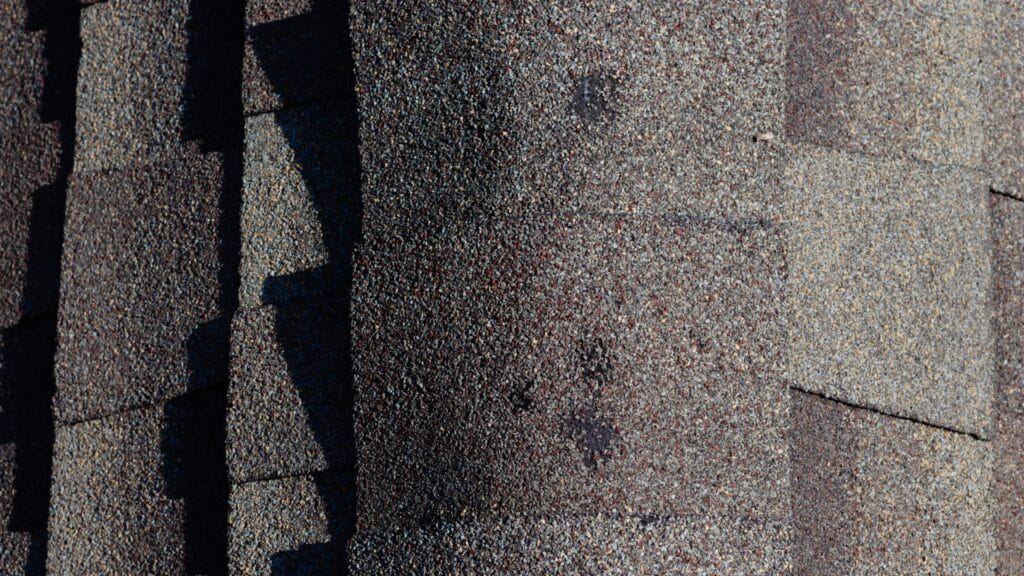
- You’re seeing minor shingle wear, granule loss, or early signs of aging. Restoration can slow deterioration, improve shingle flexibility, and prevent these early issues from turning into major repairs.
- The roof has isolated areas of damage rather than widespread problems. When only a few shingles or small sections need repair, restoration is more cost-effective than a full replacement.
- You want to improve the roof’s appearance. Cleaning, repairing, and recoating can dramatically improve curb appeal without the expense of new shingles.
- You’re trying to prevent potential leaks. Protective coatings and sealing treatments help stop small vulnerabilities from developing into water intrusion.
- Your roof is showing signs of algae, moss, or staining. Restoration removes organic growth and protects the surface from future buildup.
- You’re looking for a budget-friendly alternative to full replacement. Restoration costs significantly less than a new roof while still delivering meaningful functional improvements.
- You want to improve your home’s energy efficiency. Reflective coatings can help reduce heat absorption, which can be especially beneficial in warm weather months.
On the other hand, there are several situations in which roof restoration probably won’t be possible or achieve your goals, such as:
- A large number of your shingles are already failing.
- Your roof has structural issues.
- Your roof decking is damaged.
- You’re dealing with multiple leaks.
- Your roof has reached or neared the end of its lifespan.
- Significant storm damage is present.
- There are multiple layers of shingles on your roof.
In these situations, you’ll probably need to have the roof replaced rather than restored. But again, only a professional roofing contractor will be able to determine the best path forward for your home.
DIY Restoration vs Professional Shingle Restoration: Which Approach Is Right for Your Home?
In an effort to avoid some of the costs of shingle restoration, some homeowners consider handling this kind of project themselves. And while some homeowners do achieve passable results when doing so, it’s generally not a great idea. If nothing else, walking around on roofs is dangerous business, which is better left to professionals.
However, there are a few other things you’ll want to think about before taking on this kind of project yourself, including:
- Skill Level: Homeowners often miss hidden issues like moisture damage or failing flashing, but roofing professionals are trained to identify and address these problems before they become costly.
- Quality of Materials: The DIY products sold by big box retailers are usually lower grade and less durable than the commercial-grade cleaners, coatings, and sealants professionals use, and they rarely work as well.
- Longevity of Results: DIY efforts may improve the look of your roof, but they usually won’t achieve the kind of long-term durability and performance professionals achieve, especially when underlying issues are missed.
- Convenience: DIY projects will almost always take much longer and lead to incomplete or inconsistent results, while roofing professionals can complete the work efficiently and correctly the first time.
- Warranty: DIY mistakes can void your existing shingle warranty and leave you responsible for repairs, while professional restoration often includes a workmanship warranty and maintains manufacturer coverage.
Nevertheless, if you do intend to take on this kind of project yourself, be sure that you keep safety in mind, use the highest-quality materials you can get your hands on, and spend plenty of time examining your roof for potential problem spots. And if the project becomes too difficult or complicated at any point, stop and call in the pros.
Shingle Roof Restoration: FAQ
Still have questions about roof restoration? We’ve rounded up some of the most common questions we hear from homeowners and answered them below!
Can roof shingles be restored?
Yes, in many cases, roofing shingles can be restored to help address leaks, restore their appearance, and improve their performance over time.
How much is a full roof restoration?
There are a number of variables that factor into the cost of a full roof restoration, including the size of your home, your geographic area, and the current state of your shingles. However, most roof restoration projects will cost between about $5,000 and $20,000.
Is shingle rejuvenation worth it?
In many cases, shingle rejuvenation or restoration is absolutely worth the cost, as it’ll help extend your roof’s lifespan for a much lower price than complete teardown and replacement.
What are the signs that a roof needs restoration?
A number of signs can indicate a roof may benefit from restoration, ranging from leaks to damaged shingles. If you have any leaks or your shingles are curling or appear dry, you’ll want to contact a roofing professional and discuss your options.
Are shingle roof coatings worth it?
Yes. Shingle coatings can drastically increase the lifespan of your roof without saddling you with the cost of a full replacement.
Can I apply Roof Maxx myself?
According to the manufacturer, Roof Maxx should only be applied by an approved contractor.
Will roof restoration make my roof look new again?
Roof restoration may not make your roof look 100% brand new again, but it will certainly improve its appearance and get you almost all the way there.

Trust Schoenherr Roofing for Your Roof Restoration Needs!
If you’d like to improve your roof’s looks, guard against leaks, and increase its lifespan, roof restoration may be exactly what you need. Just be sure that you take the time to find a high-quality roofing contractor for the job — that’s the only way to ensure you get good value for your investment and enjoy all the benefits roof restoration can provide.
Schoenherr Roofing has been restoring roofs in Southeast and Southwest Michigan for more than 30 years. During this time, we’ve built a reputation for being the preferred choice for local homeowners, thanks to our combination of expertise, skill, and unwavering commitment to customer satisfaction.
Contact us today to schedule a free estimate or discuss your roof restoration options. From Comstock Park to Rockford to Sterling Heights and everywhere in between, we provide unmatched roof restoration services!
Sources & References
- Oak Ridge National Laboratory – “Roofing Materials Research”
Provides research on asphalt shingle aging, UV degradation, granule loss, and material performance under freeze–thaw cycles.
https://www.ornl.gov - Asphalt Roofing Manufacturers Association – “Residential Roof Maintenance & Care”
Outlines how shingles age, the role of granules, proper cleaning practices, and when repairs or restoration are viable options.
https://www.asphaltroofing.org - Michigan State University Extension – “Tips to prevent ice dams from forming on your home”
Explains how winter weather, aging shingles, and ventilation issues accelerate deterioration — key factors in evaluating restoration needs.
https://www.canr.msu.edu/news/tips_to_prevent_ice_dams_from_forming_on_your_home