Skip to content
Calling your insurance company immediately after a storm is a common and understandable reaction, but it might not always be the most helpful first step.
Before you involve your insurance company, it’s important to know whether your roof actually sustained damage. A professional roofing inspection can uncover problems that aren’t obvious from the ground, document the condition of your roof, and give you a clearer understanding of what happened. From there, you can make the call on whether it’s time to contact your insurance company and start a claim.
We’ll explain more about navigating insurance claims following storms and provide some helpful tips for getting the best results below.
Why It Usually Makes Sense to Call a Roofer First
When a storm that brings golf-ball-sized hail or gusting winds passes, you might automatically assume your roof has become damaged. In other cases, you might think your roof is perfectly fine because you don’t see any red flags from the ground.
But in reality, neither is a safe bet.
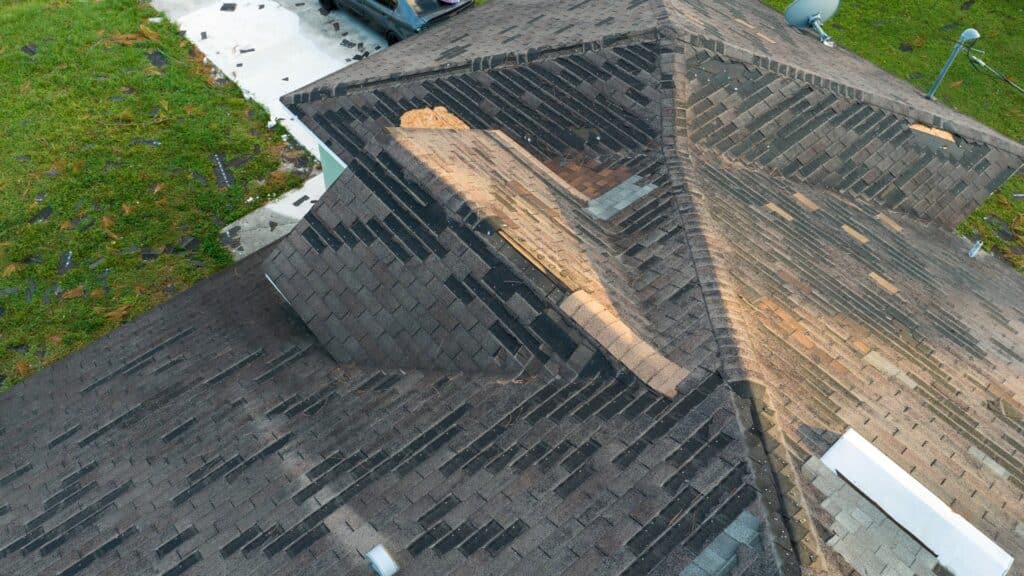
A roof can take a beating without leaving obvious clues. Hail might knock protective granules off shingles or leave bruises that aren’t visible from the driveway. Strong winds might lift or loosen shingles, even though none have actually blown into the yard.
That’s why it’s a good idea to schedule a roof inspection before filing an insurance claim. Scheduling an inspection before contacting your insurance provider provides a few advantages:
- You’ll find out what actually happened. Instead of guessing, you’ll know whether the storm damaged your roof, how extensive the damage is, and whether it needs immediate attention.
- You’ll have photos of the damage. We document any storm-related damage we find and walk you through it. Seeing the condition of the roof for yourself makes it much easier to understand what’s going on and gives you something to reference if you contact your insurance company.
- You may avoid filing an unnecessary claim. Not every storm results in damage that’s worth filing a claim over. If your roof only needs a small repair — or wasn’t damaged at all — you’ll know before starting the claims process with your insurance company.
- You’ll know what questions to ask. If the inspection uncovers major damage, you’ll have a much better idea of what needs to be repaired or replaced. That makes conversations with your insurer much easier because you’re starting with a professional assessment of your roof’s condition.
When Should You Contact Your Insurance Company?
Once you understand the condition of your roof, you’ll have a much better gauge on whether it’s time to involve your insurance company. Every homeowners’ insurance policy is different, but storm damage is usually covered.
It’s always a good idea to contact your insurance provider once you’ve had a professional inspection completed. At this point, your insurer can explain your coverage, outline the claims process, and let you know what information they’ll need to evaluate your claim.
However, some situations can’t wait for an inspection and demand an immediate phone call to your insurer.
If, for example, a tree has taken up residence in your living room, there’s an active leak, or your home has suffered major structural damage, you’ll want to contact your insurance company as soon as it’s safe to do so.
Your policy may also require you to take reasonable steps to prevent additional damage. That could include placing a tarp over the damaged section of the roof — our roofers can help with this — or arranging for other temporary emergency repairs while your claim is being processed. Be sure to keep receipts for any emergency work, as your insurance company may ask for them.
What Happens During a Storm Damage Roof Inspection?
Most homeowners don’t know what a storm-damaged roof looks like, and that’s OK. You shouldn’t have to climb onto your roof and guess. A professional inspection is designed to answer one simple question: Did the storm damage your roof, or didn’t it?
Some of the steps we’ll take are outlined below. :
We Look for Signs of Storm Damage
This is where we look for telltale signs of damage to your roof. We often find:
- Missing or lifted shingles
- Hail bruising
- Damaged flashing
- Dents in gutters
- Other signs that wind, hail, or flying debris damaged your roof
Some of this damage, like big dings in your gutters, is easy to spot. Hail bruising and similar types of damage, on the other hand, usually take a trained eye to identify.

We Check for Water Intrusion
We don’t stop at the exterior of your home. After looking over your roof, we check for evidence that water has entered your home, paying close attention to the attic and other accessible areas. Moisture, staining, or damp insulation in these spaces can indicate a roofing problem.
We Show You What We Found
Once we’re done, we’ll walk you through the inspection. We show you photos of anything we found and answer your questions. If your roof needs repairs, we’ll explain why and what needs to happen. If the damage is extensive enough to warrant filing an insurance claim, we’ll let you know. And if your roof made it through the storm unscathed, we’ll tell you that, too.
What Not to Do After Storm Damage
Storms can leave you feeling like you need to act fast, and in some cases, you do. But making the wrong move can complicate repairs, create safety hazards, or even affect your insurance claim. So, here’s what we recommend you don’t do:
- Climb Onto the Roof Yourself: As much as you might want to get up close and personal with the damage, it’s not a good idea to climb up there yourself. A storm-damaged roof can be unsafe to walk on, even if it looks stable. This is one of those jobs best left to the pros.
- Assume Everything is Fine Because You Don’t See Damage: Not all storm damage is visible from the ground. Hail can bruise shingles without leaving obvious marks, and strong winds can loosen roofing materials without tearing them off completely. A roof that looks fine from the driveway might still need repairs.
- Hire the First Contractor Who Knocks on Your Door: After a major storm, it’s not uncommon for contractors to move into affected neighborhoods looking for work. Before signing a contract, take a few minutes to research the company, read reviews, confirm licensing and insurance, and make sure they have an established presence in your area.
- Wait Too Long to Have the Roof Inspected: Even minor damage can become more serious if it’s left exposed to additional rain, wind, or changing weather. Scheduling an inspection sooner rather than later helps catch those issues early and creates a record of your roof’s condition while the damage is still fresh.
How Long Do You Have to File a Storm Damage Claim?
Every homeowners’ insurance policy is different, so there’s no single deadline that applies to every storm damage claim. Your policy may include specific time limits for reporting damage, and those requirements can vary by your insurance company.
But that said, it’s generally a better idea to act sooner rather than later.
Waiting weeks or even months to schedule a roof inspection can make it harder to determine whether the damage was caused by a specific storm or by normal wear and tear. Small problems also have a way of becoming bigger ones. A lifted shingle today could become a roof leak after the next heavy rain.
If you think your roof was damaged, schedule an inspection. If the inspection confirms you’ve got storm damage on your hands, review your policy or contact your insurance company to understand the next steps and any deadlines that might apply to your claim.
How Much Does Storm Damage Roof Repair Cost?
One of the first questions homeowners ask after a storm is, “How bad is this going to be?” Unfortunately, you can’t put a price on roof damage from the ground. A few missing shingles may call for a relatively simple repair. Damage that extends beneath the roofing system is much more involved.
On average, homeowners in the U.S. pay between $2,641 and $22,127 for storm and hail damage roof repairs, with the average cost coming in around $12,300.
A few things that can affect the cost include:
- How much of the roof was damaged
- The type of roofing material you have
- Whether there’s damage that goes beyond the roof
Until a professional climbs onto your roof, any estimate is just a guess. A professional inspection will tell you what you’re actually dealing with and whether the damage is substantial enough to involve your insurance company.

Frequently Asked Questions
Storm damage has a way of raising questions long after the weather clears. We’ve answered a few of those questions we get the most below.
How do you check for roof damage after a storm?
Start by looking for obvious signs of damage from the ground, such as missing shingles, dented gutters, fallen branches, or pieces of roofing material in the yard. If it’s safe to do so, you can also check your attic for water stains or signs of a leak. Avoid climbing onto your roof yourself — that’s something the pros should handle.
Can you repair storm damage to a roof?
Usually yes. We often see minor storm damage, such as a few missing shingles or damaged flashing, which can typically be repaired without a major replacement. But if the damage is widespread or has compromised the roof’s ability to protect your home, we may recommend a roof replacement.
Does insurance cover roof storm damage?
Most homeowners’ insurance policies cover sudden damage caused by events like hail or high winds, but coverage varies by policy. Your deductible, the age and condition of your roof, and the cause of the damage will play into what’s covered. If you’re not sure, check your policy or contact your insurance company.
How do you prove wind damage to a roof?
The best way to document wind damage is with a professional roof inspection. We can identify signs of wind damage and take photos to support our findings. Those records can help support your claim, although your insurance company will ultimately determine whether the damage is covered under your policy.
Will my homeowners’ insurance policy go up after a storm damage claim?
Not necessarily. Insurance companies look at many factors when determining premiums, including your claims history, where you live, and the overall risk in your area. Because every insurer handles claims differently, there’s no universal answer. If you have concerns about how a claim could affect your premium, talk to your insurance company.
Can a roof have storm damage even if it isn’t leaking?
Yes. Storm damage doesn’t always cause an immediate leak. High winds can loosen shingles, hail can weaken roofing materials, and damaged flashing can allow problems to develop over time. That’s why it’s a good idea to have your roof inspected after a significant storm, even if everything looks fine from the ground.
What should I do if my roof starts leaking during a storm?
First, focus on limiting interior damage by moving belongings away from the leak and using buckets or towels to collect water if possible. Avoid climbing onto the roof during severe weather. Once conditions are safe, contact a roofing professional to inspect the damage and determine the best repair options.
Think Your Roof May Have Storm Damage?
If you’re wondering whether your roof took a hit during that last storm, the best place to start is with an inspection. We’ll take a closer look and show you what we find so you can decide what your next move is. Whether you’re in Grand Rapids, Rochester, or Romeo, we’re here to help.
Contact Schoenherr Roofing to schedule your storm damage roof inspection today.
Sources & References
- Crosby Henry – “Michigan Wind and Hail Deductibles: What Homeowners Need to Know Before Filing a Claim”
Explains how wind and hail deductibles work for Michigan homeowners, including when separate deductibles may apply, how they affect out-of-pocket costs, and what policyholders should understand before filing a storm damage claim.
https://www.crosbyhenry.com/blogs/michigan-wind-and-hail-deductibles–what-homeowners-need-to-know-before-filing-a-claim - GEICO – “Does Homeowners Insurance Go Up After a Claim?”
Explains the factors that may influence homeowners insurance premiums after a claim, including claims history, location, and insurer-specific underwriting practices. The resource also notes that premium increases are not guaranteed and vary by insurance company and policy.
https://www.geico.com/information/aboutinsurance/homeowners/does-home-insurance-go-up-after-a-claim - HomeAdvisor – “How Much Does It Cost to Repair Storm or Wind Damage?”
Provides national cost estimates for storm and wind damage repairs, including average project costs, common repair price ranges, and the factors that influence the overall cost of restoring a storm-damaged home.
https://www.homeadvisor.com/cost/disaster-recovery/repair-storm-or-wind-damage