Skip to content
A roof replacement is one of the largest exterior projects most homeowners will ever take on, which makes cost a natural first concern.
But that can be frustrating, as roofing prices often vary significantly. Even two homes of similar size can end up with very different estimates, making it difficult to know what’s reasonable, what’s necessary, and what may be driving a higher-than-expected price.
The reality is that roofing is not a one-size-fits-all service.
Michigan’s climate, building codes, and seasonal weather patterns all influence how roofs are built and what it takes to replace them properly. Below, we’ll break down the key factors that affect roofing costs across Southeast Michigan, so you can better understand your estimate and make informed decisions about your home.
Average Roof Costs in Michigan
In Michigan, most roof replacements fall between approximately $9,000 and $30,000, with asphalt shingle systems representing the most common (and cost-effective) option for homeowners.
On a per-square-foot basis, many projects land in the $4 to $11 range, depending on the materials selected and the overall scope of work. However, these ranges should be treated as a starting point rather than a definitive price, as even modest differences in roof design, accessibility, and system components can significantly influence the final cost.
Key Factors That Affect Roof Replacement Cost in Michigan
Several variables influence the cost of a new roof, and the final price is rarely driven by just one. A few of the most influential factors at play for Michigan homeowners considering roof replacement include the following.
Roof Size
Roof size is one of the most obvious cost drivers because larger roofs require more shingles, underlayment, flashing, fasteners, and labor. Even so, square footage is only the starting point; two roofs of similar size can still have very different replacement costs depending on their design and condition.
Roof Complexity & Pitch
Steep slopes, multiple valleys, dormers, hips, and intersecting rooflines all increase labor time and installation difficulty. More complex roofs also tend to create more material waste and require additional detail work, which raises the overall cost of the project.
Roofing Material Selection
Material choice has a direct impact on both price and performance. Basic shingle options generally cost less than upgraded systems, while premium materials can raise the total significantly. However, upgraded systems and premium materials often provide better long-term value, even if they’re associated with higher upfront costs.
Tear-Off Requirements & Existing Roof Conditions
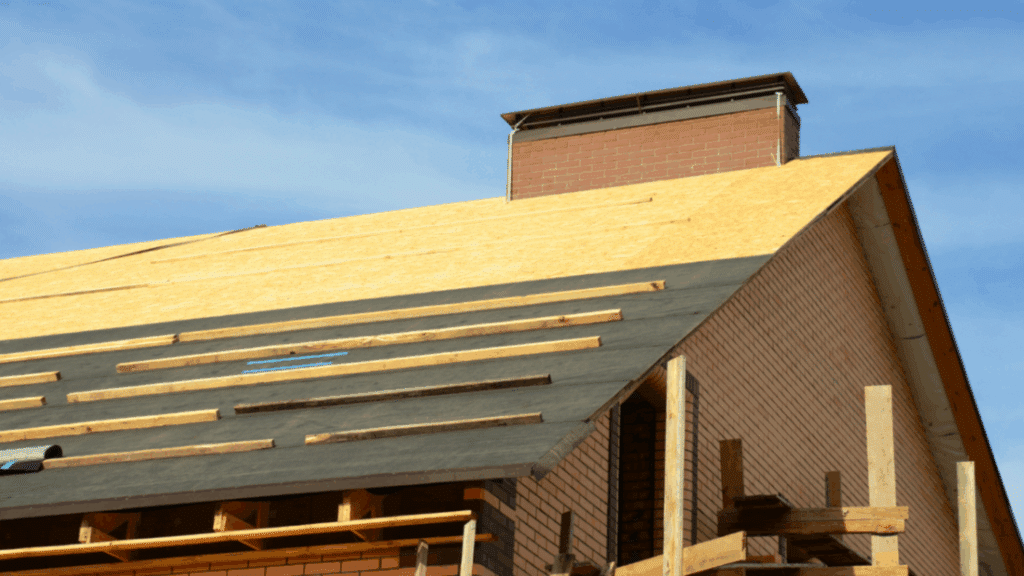
A roof replacement often involves more than installing new shingles — you’ll often need to have the existing shingles removed. And once the old roofing is removed, hidden issues such as damaged decking, worn flashing, ventilation problems, or other system deficiencies may need to be addressed before the new roof can be installed properly.
Ventilation & System Components
A roofing system includes more than the visible outer layer. The underlayment, flashing, ventilation components, and related materials all contribute to your roof’s long-term performance. This is part of the reason we always evaluate these components during the inspection process before providing an estimate.
Ice and Water Protection
In Michigan, winter weather is a major cost factor because roofs often need enhanced protection against ice dams and cold-weather leaks. For example, ice and water shield is often needed along roof edges, in valleys, and around penetrations to meet local codes and prevent leaks from developing.
Permits & Local Code Requirements
Permit requirements and code expectations can also affect roofing costs. The permits you’ll need will vary based on the scope of the work, the materials involved, and the building codes in your specific location, which means pricing can differ from one Michigan municipality to another.
Five Ways to Help Control Your Roofing Costs
While many aspects of a roof replacement are determined by the structure of the home and our local climate, there are several practical ways you can keep costs under control without compromising quality.
1. Plan Ahead Instead of Waiting for a Failure
Emergency roof replacements are almost always more expensive. When a roof fails unexpectedly, homeowners often have limited flexibility in scheduling and decision-making. Planning ahead allows for better timing, more material options, and a more measured approach to the project.
2. Compare Detailed Estimates Rather Than Just the Bottom-Line Price
Not all roofing estimates are created equal. A lower price may reflect missing components, shortcuts in installation, or vague scopes of work. Reviewing detailed, itemized estimates helps ensure you are comparing the same level of protection and workmanship across contractors, rather than focusing on the bottom-line number alone.
3. Invest in the Right System the First Time
Choosing the cheapest option upfront can lead to higher long-term costs if the roof underperforms or fails prematurely. Investing in a properly designed roofing system can extend the life of the roof and reduce the likelihood of future repairs.
4. Schedule Strategically When Possible
Roofing demand in Michigan tends to peak in the spring and fall, which can impact both pricing and availability. Homeowners who plan projects outside of peak periods or schedule the work well in advance may have more flexibility and a smoother installation process.
5. Address Small Issues Before They Grow
Minor roofing issues, such as damaged shingles or flashing problems, can often be repaired at a relatively low cost. Left unaddressed, these problems can lead to more extensive damage that requires a full replacement sooner than expected. Regular inspections and maintenance can help extend the life of the roof and delay larger expenses.
Avoid Large Upfront Payments
Did you know that Schoenherr Roofing provides financing opportunities for well-qualified homeowners in need of roof repairs or replacements? This allows you to avoid the high upfront costs of roofing work and instead pay off the balance via flexible monthly payments.
Factors Influencing Roof Replacement Costs in Michigan: FAQ
Still have questions about the factors that help determine roof replacement costs in Michigan? We’ve rounded up a few of the most common questions our customers have and answered them below.
What is the 25% rule in roofing?
The “25% rule” typically refers to building code requirements and insurance company guidelines for roof repairs. In many areas, if more than 25% of a roof is being repaired within a 12-month period, the entire roof may need to be brought up to current code, which can mean you need a full replacement.
What factors affect the cost of a new roof?
The biggest cost drivers include roof size, pitch and complexity, material choice, and the condition of the existing roof. Additional factors like ventilation upgrades, tear-off requirements, accessibility, and ice shield can also significantly impact the final price.
What is the average cost to replace a roof in Michigan?
Most roof replacements in Michigan fall between about $9,000 and $30,000, with many standard asphalt shingle roofs landing somewhere in the middle of that range. The exact cost depends heavily on the home, the materials selected, and the scope of work involved.
What is the cheapest time of year to get a new roof?
Late fall and winter can sometimes offer lower pricing due to reduced demand, but weather conditions can limit scheduling and installation quality. In practice, the best way to control costs is to plan ahead and schedule early, rather than waiting for peak spring and fall rush periods or an emergency replacement.
What is the most expensive part of replacing a roof?
Labor is typically the most expensive portion of a roof replacement, especially for complex or steep roofs. Material costs can also be high, but the time, skill, and safety requirements involved in installation usually make labor the largest single expense.
Should a 25-year-old shingle roof be replaced?
In most cases, yes. A 25-year-old roof is at or beyond the expected lifespan of many asphalt shingle systems, especially in Michigan’s climate. Even if it’s not actively leaking, it’s often more cost-effective to replace it proactively than to deal with ongoing repairs or sudden failure.
How many layers of shingles are you allowed to put on your roof?
Most building codes allow a maximum of two layers of asphalt shingles. If a roof already has two layers, a full tear-off is typically required before installing a new system. Even when a second layer is allowed, many contractors recommend a tear-off to ensure proper inspection and long-term performance.

Considering a New Roof? Trust the Pros at Schoenherr Roofing
Every roof is different, and the only way to get a truly accurate cost is with a detailed, on-site evaluation. Factors like roof structure, ventilation, decking condition, and material selection all need to be assessed in person to provide a reliable estimate. That’s especially true here in Michigan, where weather and code requirements add another layer of complexity.
If you’re planning a roof replacement or simply want to understand what to expect, the team at Schoenherr Roofing is here to help. From Ada to Zeeland and everywhere in between, we’ve been providing Michiganders with unmatched roof installation and repairs since 1995.
And that includes honest, no-obligation estimates that allow you to move forward with confidence. Contact Schoenherr Roofing today to schedule your free estimate and get expert guidance tailored to your home.